Our Approach and Results
Our work is built on authentic TPS: go to the floor first, clarify the process, remove the waste — then use AI and systems integration to keep the improvement going. From the first management interview through to tracking the results.
1. Site visit first
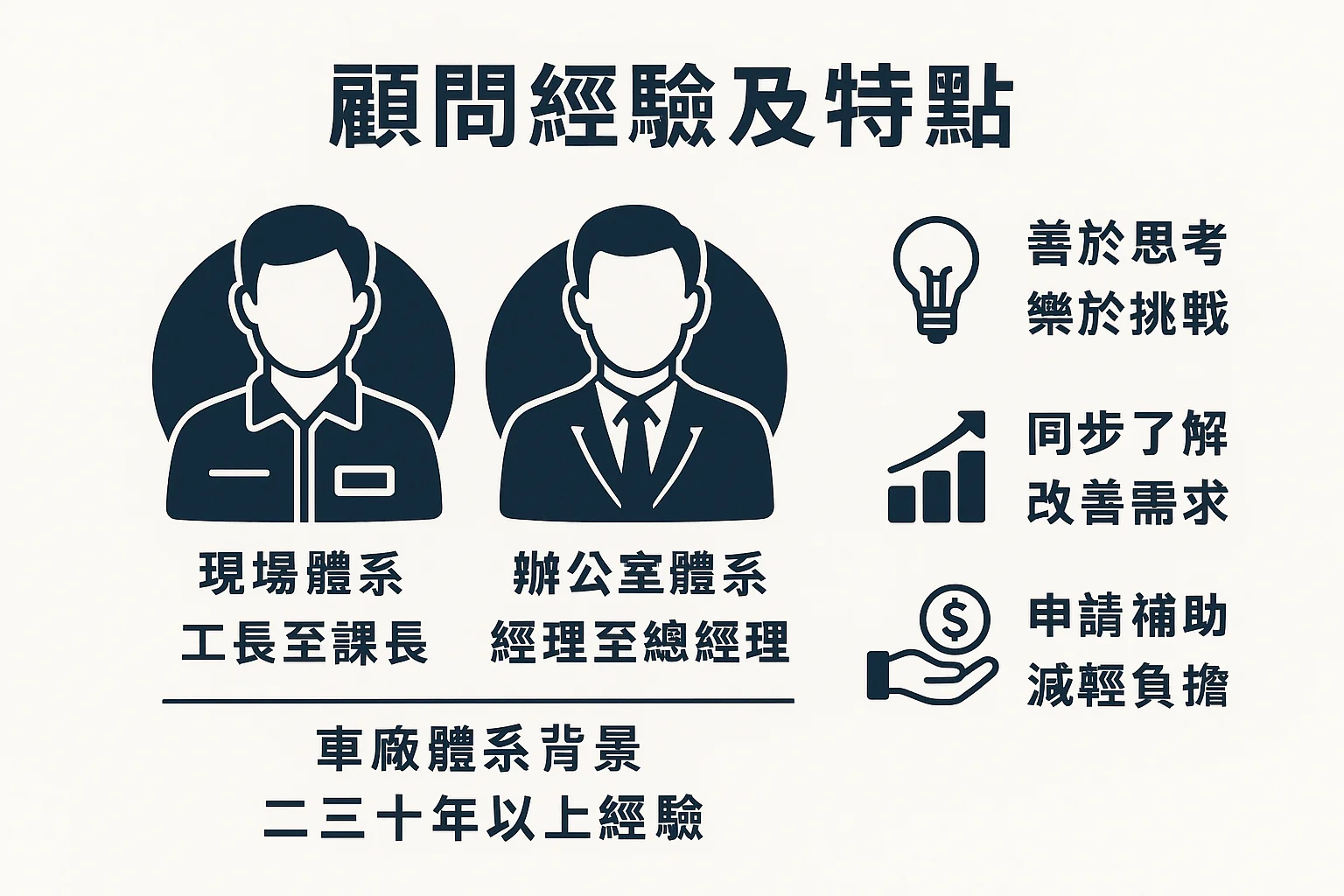
Every engagement starts on your floor. We go in, see how the plant actually runs, and talk it through properly with your management team. Once we understand what the business needs and what the floor is up against, we put concrete improvement proposals on the table and assign the consultant who fits. All of our consultants came out of the automotive system with twenty to thirty years or more of hands-on experience — on the floor they range from line leader to section manager level, in the office from manager to president level. Every one of them came up from the bottom, which is why they can read what each layer of your organisation actually needs.
2. A programme built for you
We offer two ways of working, depending on where you are and what you need.
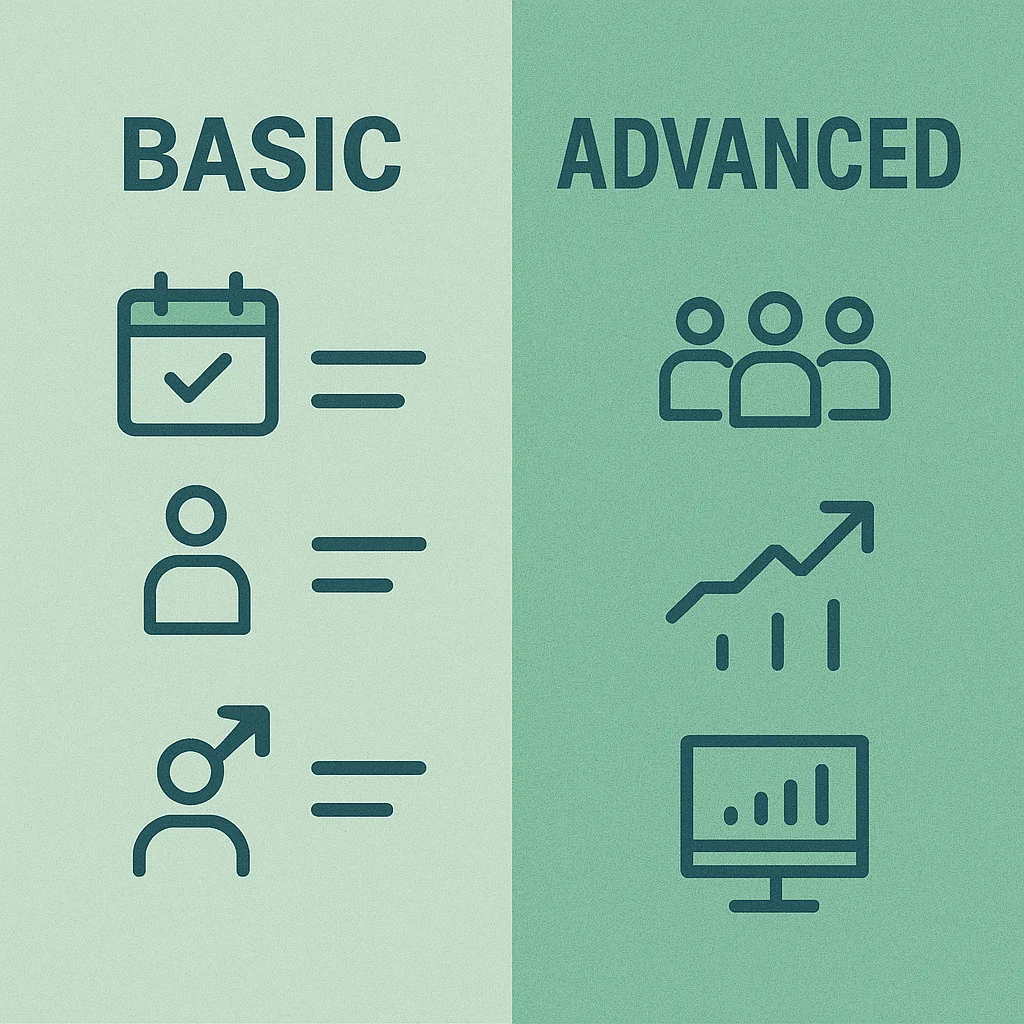
Standard programme (building the foundation step by step) — for companies that want to strengthen the business steadily. A one-year engagement with a dedicated consultant following through, bringing in other specialists as the work progresses so that results hold.
Advanced programme (reaching a defined goal quickly) — for companies with a clear target and a deadline. Several consultants work across disciplines at the same time, shoring up the weak points and pushing the strong ones further.
Our team carries the Kuozui habit of thinking hard and welcoming a challenge. If a client is willing to put a difficult problem in front of us, we will go after the answer. And we pass that appetite for improvement on to the seed personnel inside your own company, so the cycle keeps turning without us.
3. Regular review meetings
Improvement only counts if it lands, so we build in a proper review rhythm.
Standard programme: once a quarter, attended in person by JINGJIN's President or an Associate Vice President or above, together with your own senior management. We review progress and results, set clear management targets for the quarter, and keep the project on track.
Advanced programme: the frequency is set around the project and your goals — whatever gets you to the target fastest.
4. Bringing in the right technology
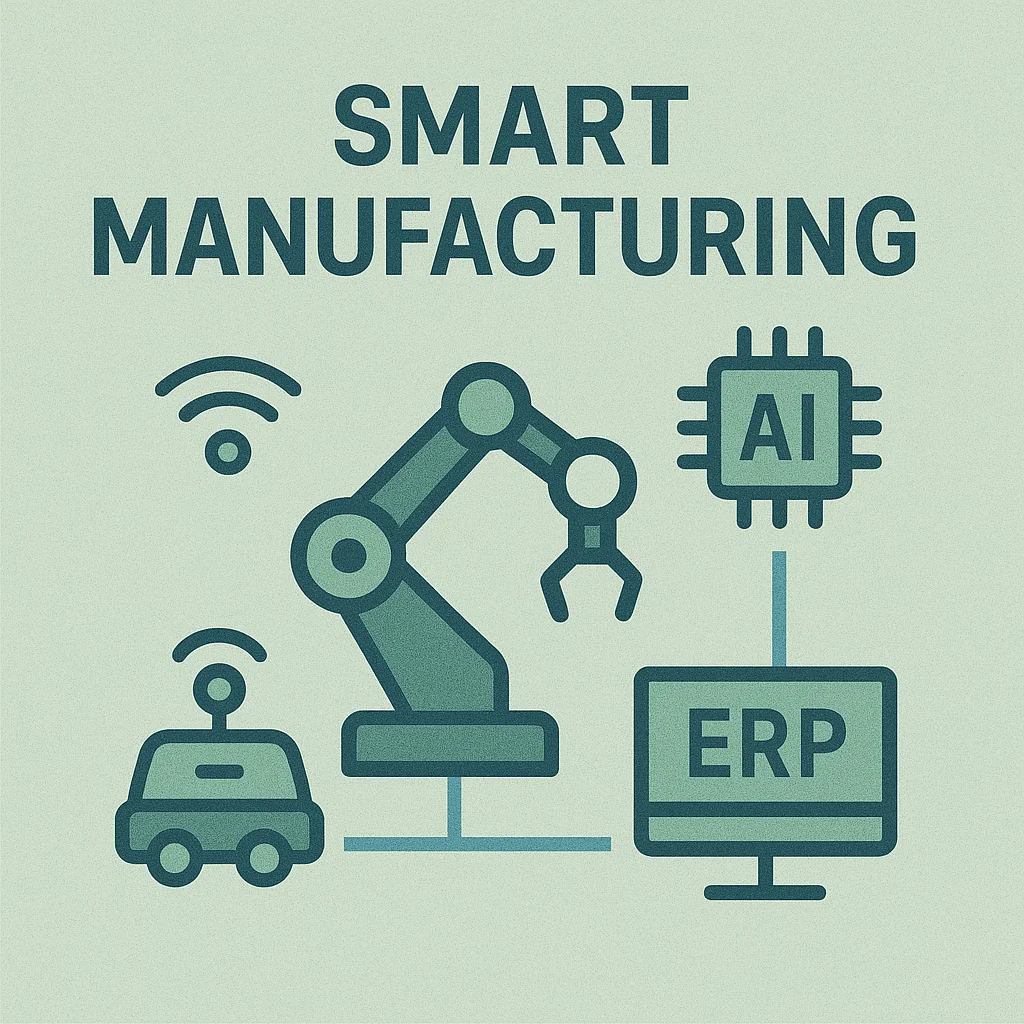
With Industry 4.0 and smart manufacturing, both hardware (equipment automation, AGVs) and software (management systems, AI) become part of the improvement plan. As the engagement progresses we stay close to what you need and propose where technology genuinely helps. When something is complex or unproven, we work through it with you rather than around you, so the tools actually get implemented and actually deliver.
5. Support with grant applications
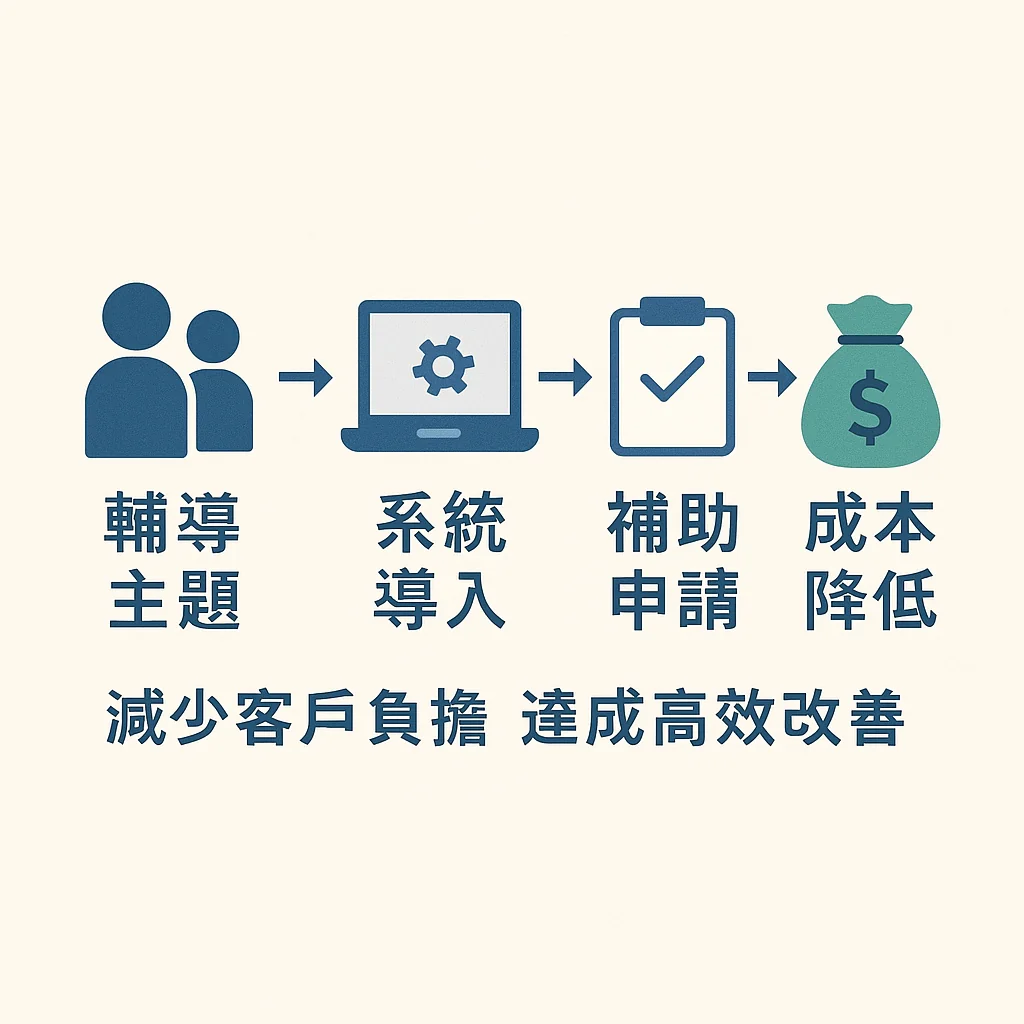
For consulting fees or system development costs, we help you apply for government grants that match the improvement themes or the systems being built — easing the financial load while the management improvement still happens. We are in this alongside you, to grow together and build a business that can genuinely compete.
Results to date
Average results across 14 client companies
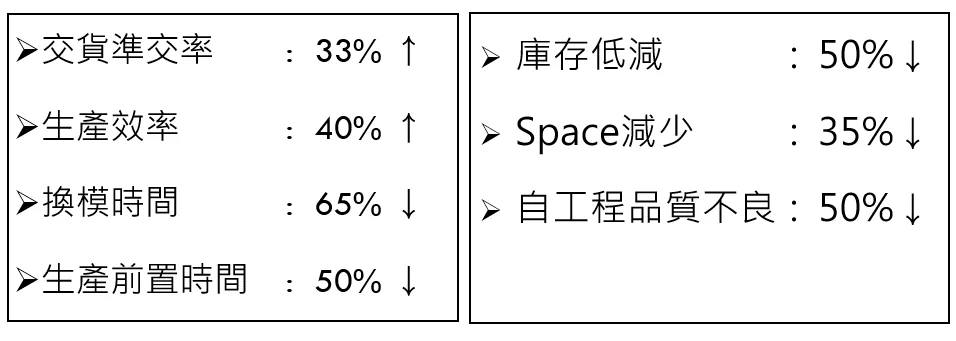
(Excludes clients under confidentiality agreements.)
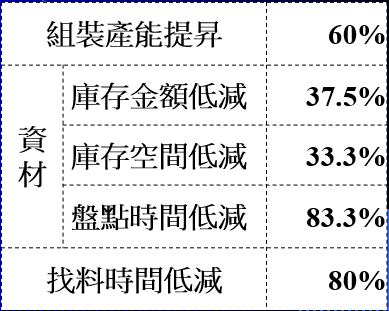
Three months on a model line
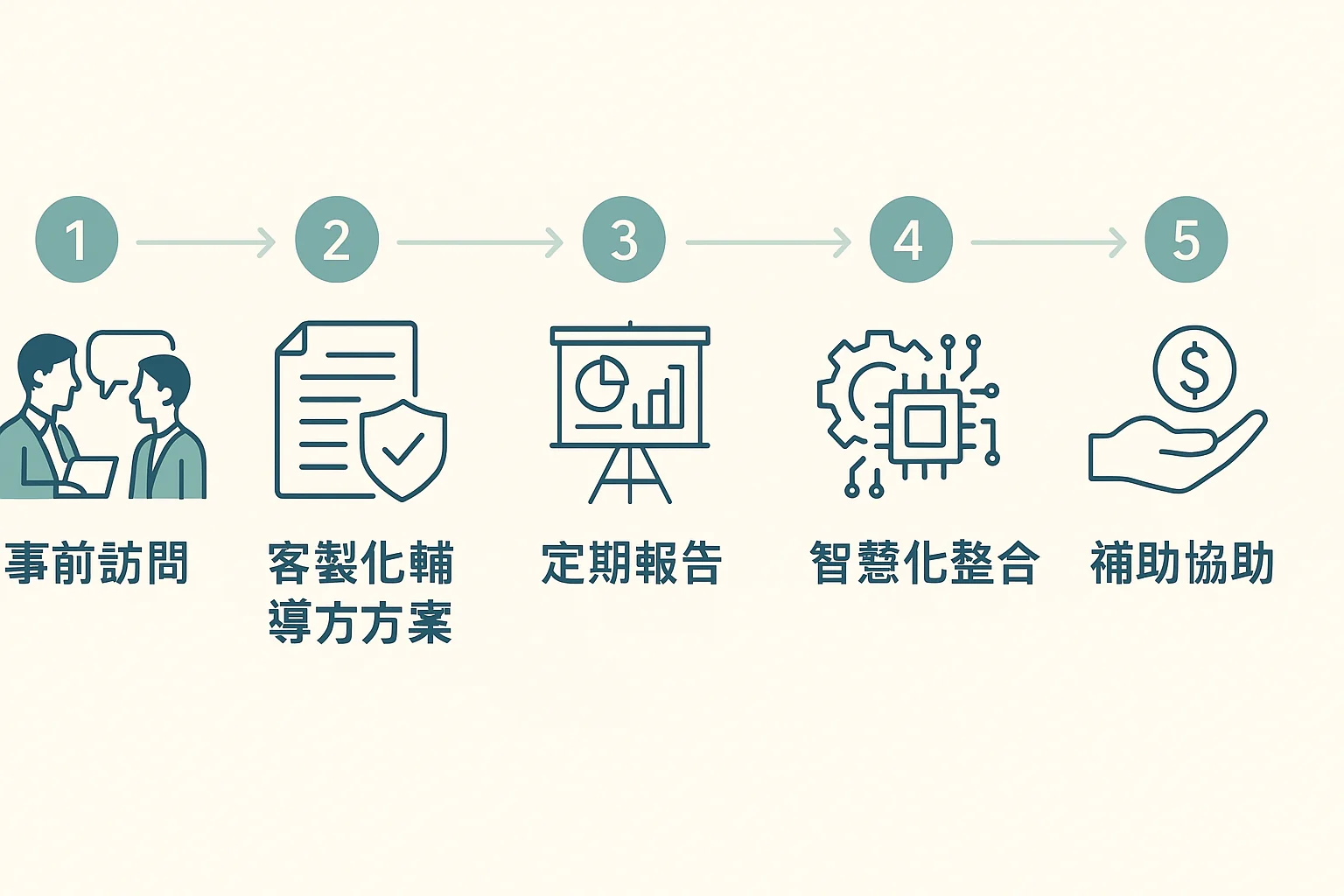
The five stages
The five stages of the approach described above, at a glance.
Site visit first
We go to your plant, see how it actually runs, and talk it through with your management team.
Our consultants come from the automotive system, with twenty to thirty years of hands-on experience spanning line leader to president level. Before any engagement begins we go into your plant, see how it actually runs, and talk it through with management until the direction is agreed.
A programme built for you
A standard programme (one-year engagement, a dedicated consultant following through) or an advanced programme (several consultants working across disciplines).
Two ways of working, depending on what you need. The standard programme runs on a one-year engagement with a dedicated consultant following through. The advanced programme brings several consultants together across disciplines to reach a defined goal quickly. Either way, we pass the improvement culture on to seed personnel inside your own company.
Regular review meetings
Quarterly for the standard programme, chaired by JINGJIN's President or Associate Vice President. Frequency is set to suit you on the advanced programme.
Progress and results are reviewed at regular meetings. For the standard programme these are quarterly, chaired by JINGJIN's President or Associate Vice President. For the advanced programme the frequency is set to suit you, so that improvement keeps moving.
Bringing in the right technology
As we learn what you need, we propose where equipment automation, software systems and other Industry 4.0 tools genuinely help.
Building on the lean improvement work, we stay close to what you need and propose where it helps — equipment automation, software systems and other Industry 4.0 tools — so that the gains are held in place by information systems rather than by memory.
Support with grant applications
We help you apply for government grants that match the improvement themes or the systems being developed, easing the financial load.
We help you apply for government grants that match the improvement themes or the systems being developed (for example SBIR innovation research projects), easing the financial load of implementation.
A Six-Year Roadmap for Continuous Improvement
One year at a time, always moving forward
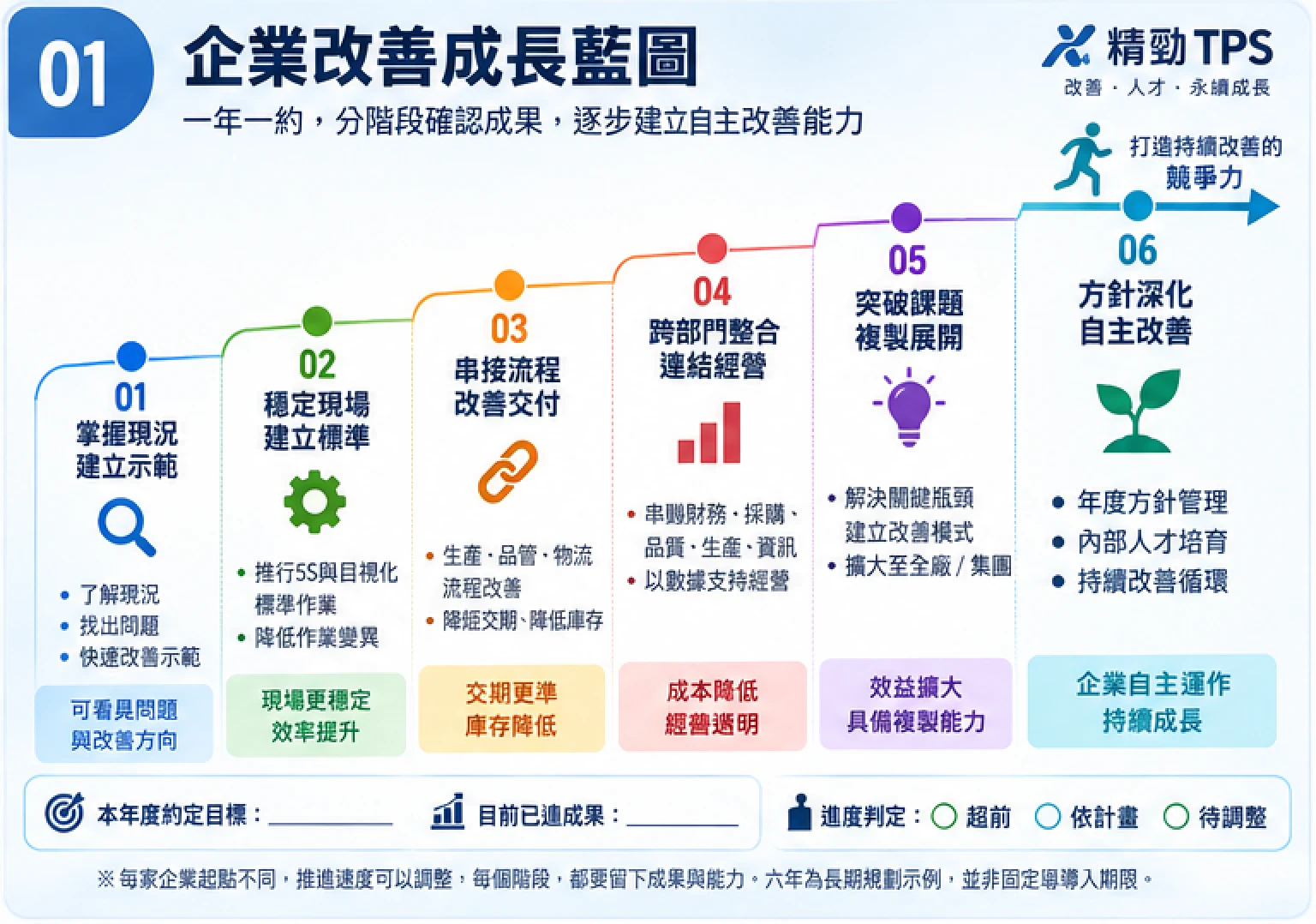
It starts on the shop floor, widens to plant-wide integration, and ends with a company that improves on its own. Every company starts from a different place, so the pace follows the reality on the ground — strong engagement can bring targets forward, and constraints simply change the stride. Each stage still leaves behind concrete results and capability. Six years is an illustrative long-term plan, not a fixed deployment schedule.
Year 1 Build the base, show results Understand the current state, set up a model line, and deliver visible improvement first
Main focus
- Diagnose the current state and map the problems
- Choose a model line or improvement theme
- Foundation training
- Establish measurement and baseline data
Expected results
- Efficiency gains (changeover, waiting)
- A more orderly shop floor
- Problems made visible
- First improvement results, backed by data
Year 2 Stabilise the floor, set the standard Stabilise the floor, roll out across departments, and make the practices sustainable
Main focus
- Establish standard work
- Strengthen quality management
- Equipment and tooling management
- Multi-skilled operator training
- Roll out to similar lines
Expected results
- Lower defect rate
- Standardised operations
- More stable production
- Improvements that hold
Year 3 Connect the flow, cut inventory Connect production, logistics and procurement to improve lead time and inventory
Main focus
- Rules from order to work order
- Scheduling and capacity management
- Material staging and replenishment
- WIP and inventory management
- Supplier collaboration
Expected results
- Better on-time delivery
- Lower inventory
- Fewer shortages and rush orders
- More responsive suppliers
Year 4 Across departments, into the P&L Integrate across departments and connect improvement to business results
Main focus
- Cross-department improvement projects
- Cost and P&L analysis
- Cost-of-quality management
- Consolidating management data
- Introducing supporting IT systems
Expected results
- Higher overall operating efficiency
- Lower unit cost
- Smoother cross-department work
- Decisions grounded in data
Year 5 Drive projects, replicate widely Take on the major themes, and scale replication and digital applications
Main focus
- Key product and process projects
- Roll-out across lines and plants
- Automation or AI applications
- Supply chain and quality improvement
- Support for new business and new products
Expected results
- More capacity and delivery capability
- More consistent quality
- Working capital used more effectively
- A repeatable improvement pattern
Year 6 Set direction, self-sustaining cycle Deepen policy management and establish a self-sustaining improvement cycle
Main focus
- Deploying the management policy
- Linking departmental targets
- Developing in-house improvement coaches
- Auditing results and continuous refinement
- Growing newcomers and succession
Expected results
- The company can improve continuously
- Management targets connected to the floor
- A talent pipeline in place
- Improvement continues without the consultant
How progress is judged each year
The improvement cycle running underneath all six years
What we measure
Improvement is not a feeling. It is something you can measure.
Efficiency
Optimising the flow and identifying waste to raise output per person and equipment utilisation.
Quality
Managing quality at source with standardised work, cutting defects and rework.
Delivery
Shortening manufacturing lead time and improving on-time delivery.
Inventory
Reducing work-in-progress and finished goods, freeing up working capital.
People development
Develop people through their craft rather than lord expertise over them. We grow seed personnel inside your company so improvement capability stays with you.
Management transparency
Systems integration and shop-floor visibility make management information transparent, so it can actually be managed and controlled.